Column · @felixwxsb190
Jamaican Food Favorites Served at Celebrations
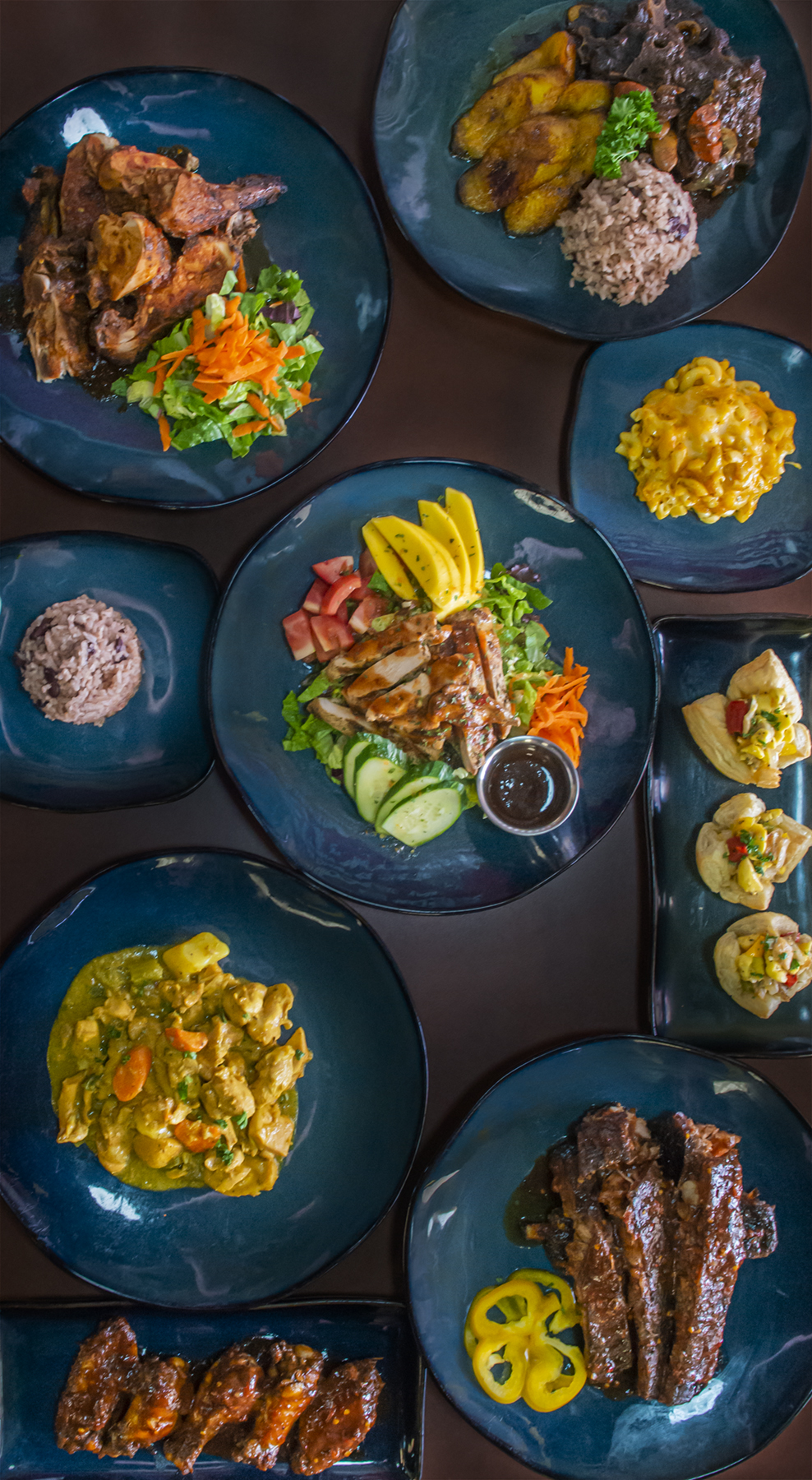
Walk into a Jamaican celebration at the right moment and you can tell, almost before you see the crowd, what kind of gathering it is. The air carries pimento smoke from jerk pans, the sweet richness of braised oxtail, the warm spice of curry, the buttery scent of rice and peas, and somewhere in the background, the unmistakable perfume of thyme, scallion, and Scotch bonnet. Food does more than fill plates at these events. It sets the pace, marks the occasion, and gives people something immediate to talk about, compare, praise, and remember.
That is especially true at weddings, christenings, holiday parties, repasts, milestone birthdays, and community fundraisers, where jamaican food often serves as both centerpiece and common language. A host may trim the guest list, change the venue, or simplify the décor, but the menu still carries enormous weight. People may forgive a late start. They rarely forgive dry jerk chicken or underseasoned rice and peas.
Celebration food in Jamaica and across the diaspora is practical as well as expressive. The dishes that appear most often are not random crowd-pleasers. They are foods that hold well, feed many, reward slow cooking, and taste even better when made in quantity by someone who understands balance. Good celebratory cooking has to satisfy older guests who want familiar flavors, younger guests who may head straight for the fried chicken table, and everyone in between who expects at least one spoonful of gravy to touch the rice.
Why certain dishes dominate the celebration table
There is a reason the same dishes return again and again at important gatherings. They are built for scale. Oxtail can be braised overnight and reheated without losing quality. Curried goat can simmer for hours until the meat softens and the sauce thickens into something deep and golden. Rice and peas can be cooked in large stockpots and still come out fragrant if the person at the stove respects timing and liquid ratios. Even jerk, often thought of as street food or cookout food, adapts beautifully to celebrations because it can be smoked in large batches and served in waves.
These dishes also travel well, which matters more than outsiders sometimes realize. Plenty of celebration food is cooked off-site, driven across town, finished in warming trays, or plated in church halls and rented venues where kitchen space is limited. The best foods for these settings are resilient. They do not collapse after twenty minutes on a buffet line. They do not depend on a delicate final garnish. They still taste like themselves after the lids have been lifted and replaced a dozen times.
There is also a social logic to the menu. Jamaican celebrations tend to mix abundance with expectation. Guests want variety, but not novelty for its own sake. They look for dishes that signal generosity and proper planning. A table that includes oxtail, curry goat, rice and peas, a vegetable side, and a respected dessert says the host took the event seriously.
Jerk chicken, the aroma that announces the party
Few dishes have the pull of jerk chicken. It may not be the most expensive item on the table, but it is often the first scent guests notice. At a celebration, jerk does two jobs at once. It offers the unmistakable character of allspice, Scotch bonnet, thyme, ginger, and smoke, and it creates atmosphere long before the meal formally begins.
Good jerk chicken for a large event is not just about heat. In fact, the cooks who impress experienced eaters usually show restraint. The seasoning should run deep into the meat, the skin should carry char without bitterness, and the smoke should amplify the marinade rather than dominate it. If the chicken is only spicy on the surface, it feels rushed. If it tastes only of smoke, it feels careless.
At outdoor celebrations, jerk often becomes the point around which people gather. The pan man or grill cook earns attention because the process is visible. Guests watch the lid lift, the smoke roll out, the chicken get turned and basted. That small ritual matters. It gives the food a sense of immediacy, even when other dishes have been prepared well in advance.
For formal receptions, hosts sometimes choose jerk chicken instead of jerk pork because it is more universally accepted across mixed crowds. It is easier to portion, easier to pair with sides, and usually more economical when guest counts climb past 100. That said, when jerk pork is done properly, with enough fat to stay succulent and enough bark to provide texture, it disappears quickly.
Curry goat, the mark of a serious celebration
Ask enough Jamaicans what dish makes a celebration feel complete, and curry goat will come up fast. It occupies a special place because it signals effort, expense, and culinary judgment. Done well, it is tender but not mushy, heavily seasoned but not muddy, and rich without becoming greasy.
The best versions start with careful marination and proper browning before the long simmer. That first stage matters. If the meat goes into the pot pale and wet, the final dish can taste flat no matter how many spices are added later. A skilled cook builds layers, allowing the curry to bloom, the aromatics to soften, and the meat to release its flavor gradually into the sauce. Potatoes sometimes appear, especially for volume and body, but they should never dominate the pan.
Curry goat is a staple at weddings for practical reasons too. It stretches. A moderate portion spooned over rice and peas feels generous because the gravy carries so much flavor. It also rewards patience, which suits large events where dishes are often made the night before. Many cooks will tell you, quietly and correctly, that curry goat can taste even better the next day once the spices settle and the fat firms enough to skim neatly from the top.
There is one recurring issue with mass catering: overcooking. Goat that has simmered too long may separate into shreds and lose the pleasant chew that makes it distinctive. Guests notice that. Celebratory food should be tender, not tired.
Oxtail, rich, glossy, and always in demand
If curry goat signals festivity, oxtail signals indulgence. It is one of the most desired dishes on many https://maps.app.goo.gl/LnpmYamy5BRY1Cs57 celebration menus, and one of the hardest to manage cheaply. Prices have risen in many markets over the years, which means hosts sometimes reserve it for smaller gatherings or offer it alongside a broader spread rather than making it the sole star. Even so, people gravitate to it.
A proper tray of oxtail should look almost lacquered. The meat should be deeply browned, then braised until yielding but still intact, with a gravy that clings to the spoon. Broad beans often finish the dish, adding softness and earthiness. What distinguishes excellent oxtail from merely acceptable oxtail is balance. The gravy needs body, but not excessive sweetness. The meat should taste seasoned all the way through, not just coated in sauce.
At family events, oxtail tends to inspire the most negotiation. Someone always asks whether there is any left in the kitchen. Someone else wants extra gravy for rice. Children who swear they are full suddenly find room when they hear oxtail is being served. Hosts know this, which is why portions are often watched closely. You can run short on other items and recover. Running short on oxtail becomes part of the event story.
Rice and peas, the plate’s foundation
It is hard to talk about jamaican food at celebrations without giving rice and peas its due. This is not an afterthought starch. It is the structural base of the plate, the dish that receives gravy, softens heat, and carries aroma from coconut milk, thyme, scallion, garlic, and Scotch bonnet. Its job sounds simple until it is done badly.
Rice and peas for celebrations needs separation between grains, enough moisture to stay pleasant in a warming pan, and seasoning that does not fade under richer meats. Red kidney beans are common, though gungo peas may appear depending on the season and the cook’s preference. The coconut element should be present but not dessert-sweet. Too much coconut can flatten the meal and make every bite heavy.
There is also a rhythm to serving it. On buffet lines, experienced caterers place rice and peas before the sauced meats because guests instinctively take a stable portion. That helps with cost control and plating flow. On fully plated meals, it anchors the visual balance of the dish. It sounds like a small detail, but anyone who has worked high-volume events knows that rice and peas can save or sink service.
White rice still has its place, especially when the menu leans heavily toward brown gravies and rich stews. Some cooks quietly prefer it with very saucy oxtail. But for many celebrations, rice and peas is the expected standard. If it is absent, people notice.
Fried chicken, the practical crowd favorite
Not every celebration dish carries symbolic weight. Some earn their place because they work. Fried chicken is one of those dishes. At children’s parties, church events, funerals, community gatherings, and mixed menus where not every guest eats curry or spicy food, fried chicken offers familiar comfort without requiring explanation.
Its success depends on texture. Skin that turns soft too quickly under foil can drag down the whole tray. The strongest versions are well seasoned under the coating, fried until the crust holds, and managed carefully after cooking so steam does not undo the crispness. At larger functions, some caterers use a lighter coating because it survives better over time.
This dish also bridges generations and backgrounds. Older guests may go first to the traditional braises and curried meats, while younger attendees often reach for fried chicken without hesitation. It gives hosts a dependable option for selective eaters. That matters at weddings and family reunions where one menu has to satisfy a very broad room.
Escovitch fish and the place of seafood at celebrations
Fish often appears at more formal or coastal celebrations, and escovitch is the standout when hosts want something lively on the plate. Traditionally built around fried fish topped with a sharp dressing of vinegar, onion, carrot, Scotch bonnet, and pimento, escovitch brings brightness to a table dominated by deep, slow-cooked flavors.
It is not always the easiest buffet choice, which is why it appears more often at seated events or at gatherings where service timing is tighter. Fish can lose its edge if held too long, and the pickle must be vivid rather than harsh. When done properly, though, it cuts through the richness of the rest of the meal and changes the pace of the plate.
At some celebrations, especially around Easter or family milestones near the coast, seafood selections broaden to include steamed fish, rundown, or peppered shrimp. These menus tend to feel more regional and less standardized. They also require hosts to think harder about logistics, freshness, and the preferences of a larger guest list.
The supporting dishes that complete the meal
Celebration menus are remembered for the headline dishes, but the supporting cast matters more than many hosts expect. A plate full of rich meats can feel heavy without the right contrast. That is where steamed vegetables, festival, plantain, macaroni and cheese, and fresh salad enter the picture, each serving a different purpose.
Steamed cabbage is one of the most useful sides because it adds color, sweetness, and relief without competing. Plantain brings softness and caramelized notes that work especially well beside spicy or peppery meats. Festival, when present, lends a sweet fried counterpoint that guests tend to love, though it is more common at casual outdoor gatherings than at highly formal receptions. Macaroni and cheese is not uniquely Jamaican, but it has become a frequent celebration side in many diaspora settings because it rounds out the buffet and pleases almost everyone.
What matters is proportion. Too many heavy sides can make a plate feel dull and overly beige. Too many vegetable sides can leave the event feeling skimpy even when the food is plentiful. Good hosts understand that guests read generosity not just through quantity, but through balance.
Patties and bite-sized favorites before the main meal
For events with a reception period, small savory items often tide guests over while photographs finish, speeches run long, or late arrivals trickle in. Jamaican patties fit beautifully into this role. Beef patties are the standard, but chicken, vegetable, and sometimes saltfish fillings also appear. Their appeal is obvious: hand-held, filling, portable, and instantly recognizable.
They work especially well at weddings and corporate celebrations where guests may be standing and talking for an hour before the main meal. A warm patty prevents the mood from dipping. Mini versions are even better because they reduce mess and allow room for the larger meal later on.
Other pre-meal bites vary by region and budget. Some hosts serve soup, especially mannish water or chicken soup, at outdoor functions. Others put out small trays of fried fish, festival, or roast breadfruit in more home-centered settings. The point is rarely extravagance. It is hospitality, the practical kind that says no one should be left hungry while waiting.
Drinks and desserts carry their own traditions
No celebration menu feels complete without something sweet to close the meal and something distinctive in the glass. Jamaican fruit cake, dense, dark, and soaked with wine and rum, remains one of the most iconic desserts for major occasions. Wedding cake in Jamaica often draws directly from that tradition, layered with royal icing and carrying enough depth to stand on its own without elaborate fillings.
Potato pudding, gizzada, grater cake, rum cake, and bread pudding also appear, depending on the family and the formality of the event. Dessert may be a plated feature at weddings or a side table after the main meal at community gatherings. Either way, guests expect something with character. A generic supermarket cake can feel oddly disconnected from an otherwise thoughtful menu.
As for drinks, sorrel is a holiday classic but increasingly appears year-round at celebrations because people love it. Ginger beer, stout punch, peanut punch, lemonade, and fruit punch all have their place. At more formal events, these sit alongside standard bar service, but the homemade or house-prepared drinks usually spark more affection. Guests remember the ginger that had real bite, the sorrel that was spiced properly, the punch that tasted fresh rather than overly syrupy.
Choosing a celebration menu with good judgment
Building the right menu is not about adding every beloved dish to one table. It is about matching food to the event, the guest count, the setting, and the budget. A 60-person anniversary dinner can carry a more luxurious spread per plate than a 300-person community fundraiser. An outdoor family day can handle jerk smoke and festival. A church hall dinner may need foods that hold beautifully in chafers and can be served quickly.
A sensible menu usually considers a few practical questions:
- Which dishes can hold quality for the full service window?
- How many guests expect traditional favorites versus milder options?
- Which proteins fit the budget without making the spread feel thin?
- Will children and older guests both find something comfortable to eat?
- Can the kitchen or caterer execute the chosen dishes at scale?
These questions sound basic, but they prevent the most common mistakes. Hosts often over-order premium meats and under-plan the sides, or choose too many dishes that demand last-minute attention. The strongest celebration menus feel generous because they are coherent, not because they are crowded.
What guests remember long after the party
People do remember décor, music, and speeches, but food leaves a different kind of memory. It is sensory, immediate, and shared. Years later, guests may not recall the exact floral arrangements at a wedding, but they will remember the curry goat was tender, the jerk had real smoke, the sorrel was cold and spiced just right, and there was enough oxtail gravy to spoon over the rice.
That staying power comes from how celebration food functions. It is not there merely to impress. It steadies guests, starts conversations, rewards family recipes, and gives shape to hospitality. A well-built Jamaican celebration menu tells people they are welcome, expected, and worth feeding properly. It carries the hand of the cook and the priorities of the host in equal measure.
That is why the classics endure. Jerk chicken keeps its place because its smell can animate an entire venue. Curry goat remains essential because it tastes like effort and occasion. Oxtail persists because richness has its own festive language. Rice and peas stays central because every strong plate needs a foundation. Around them gather the sides, sweets, and drinks that complete the picture.
When jamaican food is served at celebrations, it does what all great celebratory cooking should do. It satisfies hunger, yes, but it also confirms belonging. The best plates say, without fuss or explanation, that this moment matters and everyone at the table is meant to enjoy it.
Reggae Pot Jamaican Grill
7562 S University Blvd C, Centennial, CO 80122
(303) 997-5623
FAQ About jamaican food
What is the best Jamaican food to try in Centennial?
The best choice depends on your preferences. Reggae Pot Jamaican Grill offers jerk chicken, curry goat, oxtail, and escovitch snapper, along with sides such as rice and peas and fried plantains. Ask the restaurant about current availability and spice levels before ordering.
Is Jamaican food very spicy in Centennial?
Heat varies by dish and preparation. Jerk dishes can be hot, while some stews and sides are milder. Tell the restaurant your preferred heat level and ask which options suit you.
What is typically on a Jamaican menu?
Common choices include jerk chicken, curries, oxtail, fish, patties, rice and peas, and plantains. Reggae Pot also lists ackee and saltfish and vegetable dishes. Menus and availability can change, so confirm your choices when ordering.