Column · @felixwxsb190
The Most Flavorful Ways to Enjoy Jamaican Food
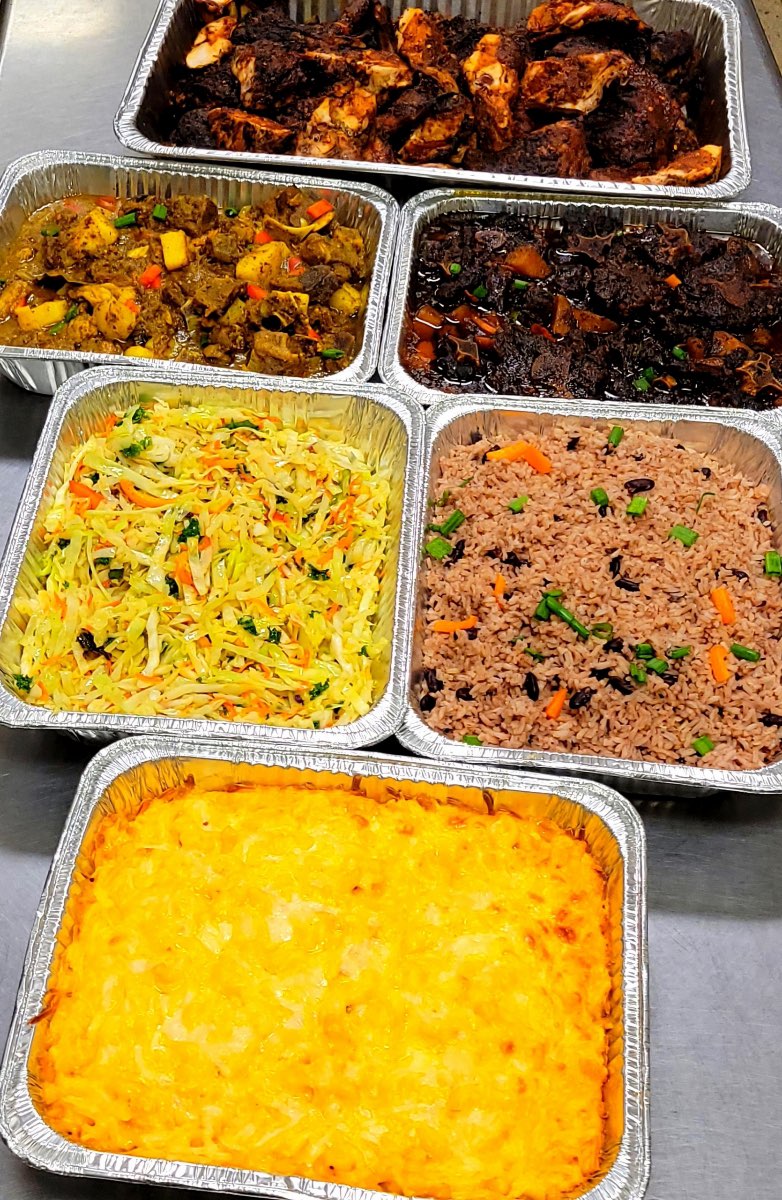
Jamaican food has a way of announcing itself before it ever reaches the table. You smell pimento smoke from the jerk pan, catch the sweetness of ripe plantain hitting hot oil, and notice the deep, savory perfume of a pot that has been simmering long enough to mean something. It is food with presence. Not loud for the sake of it, but layered, deliberate, and rooted in a place where African, Indigenous, European, Indian, and Chinese influences all found their way into daily cooking.
That mix is part of what makes Jamaican food so memorable when it is done well. The flavors are bold, but they are not careless. Heat is balanced by sweetness, richness by acidity, starch by spice, and fire by smoke. A plate may look abundant, and it usually is, but the best versions never feel random. There is structure in the seasoning and discipline in the cooking.
If you want to enjoy Jamaican food in its most flavorful form, it helps to think beyond a single famous dish. Jerk gets most of the attention, and for good reason, but the cuisine opens up when you pay attention to context. What time of day are you eating? Is the meal built around a roadside grill, a family table, a beachside fry stand, or a bakery case? Are you chasing comfort, heat, texture, or slow-cooked depth? The answers matter, because Jamaican food changes character beautifully from one setting to another.
Start where the smoke is
If there is one experience that captures the spirit of Jamaican food, it is eating jerk straight from the source. Real jerk is not simply grilled meat with spicy marinade. Its identity comes from seasoning, smoke, and technique working together. The backbone is usually Scotch bonnet pepper, allspice, thyme, scallion, ginger, garlic, and salt, though every cook adjusts the balance. Some versions lean greener and fresher, others darker and more paste-like. Some hit you with immediate heat, others build more slowly.
The most flavorful way to eat jerk chicken or pork is fresh off the grill or jerk pan, when the exterior still has a little char and the meat has had just https://ricardozejx465.moderncairn.com/posts/jamaican-food-and-the-importance-of-fresh-ingredients enough rest to hold onto its juices. The smoke matters as much as the seasoning. In Jamaica, traditional jerk cooking often uses pimento wood, which adds a distinct aroma that is hard to fake. Without that smoky note, the dish can still be good, but it loses part of its soul.
A proper serving often comes with festival, bammy, or roasted breadfruit, and each side changes the experience. Festival, slightly sweet and fried, softens the edges of the spice. Bammy, made from cassava, gives you a chewy, lightly earthy counterpoint. Breadfruit, especially when roasted over open flame, soaks up juices and smoke in a way that feels almost luxurious. Jerk on its own is exciting. Jerk with the right side becomes complete.
There is also a practical point that seasoned eaters learn quickly. With jerk, the first bite tells you about the crust, but the second and third tell you about the cook. Anyone can throw heat on meat. The better cooks create flavor that goes beyond pepper. You should taste herbs, smoke, salt, sweetness, and the natural savoriness of the meat itself. If every bite is just fire, something got lost.
Breakfast is one of the best windows into the cuisine
Many people meet Jamaican food at lunch or dinner, but breakfast reveals its range in a more intimate way. A traditional breakfast can be hearty, savory, and surprisingly elegant in flavor. Ackee and saltfish sits at the center of that conversation for good reason. Ackee, when properly prepared, has a delicate texture that people often compare to scrambled eggs, though the flavor is milder and more buttery than that comparison suggests. Saltfish brings salinity and chew, while onion, tomato, scallion, thyme, and Scotch bonnet round out the dish.
The best way to enjoy ackee and saltfish is not to rush it. This is not food that should be eaten standing up over a sink. It deserves a proper plate, often with fried dumplings, boiled green banana, roasted breadfruit, or yam. Each starch brings a different rhythm to the meal. Fried dumplings are crisp on the outside and pillowy within, giving you a satisfying contrast to the soft ackee. Boiled provisions, as they are commonly called, keep the meal grounded and filling without competing for attention.
What makes this breakfast special is restraint. Ackee does not shout. It carries seasoning gently, so the cook has to know exactly when to stop. Too much salt, too much tomato, too much pepper, and the balance disappears. When it is right, it tastes composed and confident, the kind of dish that reflects generations of intuition rather than recipe chasing.
Callaloo deserves mention here too. Whether served alongside saltfish or cooked on its own, it brings a clean, leafy depth that reminds you Jamaican cooking is not all smoke and spice. There is tenderness in the cuisine as well. A breakfast of callaloo, plantain, and dumplings can be just as satisfying as a plate piled with meat.
A patty is not a shortcut meal when it is made well
There is a tendency outside the Caribbean to treat patties as a grab-and-go snack and stop thinking there. That misses the point. A good Jamaican patty is compact, but it is deeply considered. The pastry should be flaky enough to shatter slightly when bitten, often colored golden with turmeric or curry. The filling should be well-seasoned and moist without turning the shell soggy. Beef is the classic standard, but chicken, vegetable, and saltfish versions can be excellent.
One of the most flavorful ways to enjoy a patty is straight from a bakery, still hot enough that the crust releases a little steam when torn open. The shell should smell faintly buttery and spiced. The filling should carry heat, but not only heat. You want black pepper, onion, thyme, perhaps a hint of allspice, and enough richness to justify the pastry.
A patty tucked inside coco bread is a beloved combination for a reason. The soft, slightly sweet bread cushions the pastry and catches any juices that escape. It also turns a snack into a meal without dulling the flavor. Eaten that way, you understand why so many people are loyal to their favorite bakery. The difference between an average patty and a memorable one is rarely dramatic on paper, but unmistakable in the mouth.
Give the stews and braises time to speak
Some of the deepest pleasure in Jamaican food comes from dishes that never try to impress you in the first minute. Brown stew chicken, curry goat, oxtail, and stew peas all reward patience. These are not quick-impact foods. They build slowly through long cooking, careful seasoning, and sauces that become richer as they reduce.
Brown stew chicken is one of the clearest examples of how Jamaican cooking turns everyday ingredients into something layered and complex. Proper browning gives the sauce depth. Bell pepper, onion, tomato, garlic, thyme, and Scotch bonnet contribute sweetness, sharpness, and warmth. The chicken should taste seasoned all the way through, not just coated at the end. At its best, the gravy is glossy and concentrated, ideal for spooning over rice and peas.
Curry goat is another dish people often misunderstand. The word curry does not mean it should taste like every other curry dish in the world. Jamaican curry powder has its own profile, and local cooks often build additional flavor with fresh aromatics, black pepper, and time. Goat also needs proper handling. If rushed, it can stay tough and one-dimensional. If given enough time, it becomes tender and rich, with a sauce that clings rather than runs.
Oxtail might be the most coveted slow-cooked dish on many menus, and not only because it has become expensive. When cooked well, it offers something few cuts can match: gelatin-rich body, deep beef flavor, and a sauce that feels almost velvety. Broad beans are a common addition, not decoration, and they help round out the richness. The best oxtail plates are intense but not heavy-handed. You should taste sweetness from browning, herbal notes from thyme, and enough spice to wake up the palate without overwhelming it.
Seafood is where freshness takes over
Jamaica’s food culture is often introduced through meat, but the island’s seafood deserves equal attention. Escovitch fish is one of the most exciting dishes to order when you want sharp, vivid flavor. A whole fried fish, often snapper, arrives crisp and hot, then gets topped with a tangy mixture of vinegar, carrots, onion, bell pepper, and Scotch bonnet. The contrast is the point. Crisp skin, tender flesh, hot oil, cool acidity, and pepper heat all collide in a single bite.
The trick with escovitch is proportion. Too much vinegar and the fish loses its sweetness. Too little, and the topping feels decorative instead of purposeful. At its best, the acidity cuts through the richness of frying and refreshes your appetite with every few bites. Paired with bammy or festival, it becomes one of the liveliest meals in Jamaican food.
Pepper shrimp offers a different sort of pleasure. It is punchy, briny, and unapologetically spicy, often sold in bags or containers that seem modest until you realize how much flavor each shrimp carries. This is the kind of food that begs for a cold drink and good company. It is also a reminder that Jamaican heat can be playful. Not every spicy dish is about endurance. Sometimes it is simply about brightening the natural sweetness of seafood.
Run down, a coconut-based fish dish, moves in the opposite direction. Here the pleasure comes from softness and depth. The fish simmers with coconut milk, herbs, and aromatics until the sauce reduces and thickens. Done well, it tastes comforting without becoming bland, fragrant without becoming perfumed. It is one of those dishes that proves Jamaican food is broader than its most famous seasonings.
Rice and peas is not background noise
A common mistake is to treat rice and peas as filler, the neutral thing on the plate that supports the “real” food. In Jamaican cooking, that view does not hold up. Rice and peas should carry their own flavor from coconut milk, thyme, scallion, and the stock or cooking liquid used. Depending on the household and region, the peas may be kidney beans or gungo peas. The texture should be separate but tender, not mushy and not dry.
When the rice and peas is excellent, it changes the whole plate. Rich gravies sink into it, spicy meat gets tempered by it, and side vegetables gain context from it. A poorly made batch can flatten everything around it. A good one quietly elevates the meal from decent to deeply satisfying.
The same principle applies to side dishes across Jamaican food. Fried ripe plantain should be caramelized at the edges, not limp and oily. Bammy should be warmed through and ideally toasted or fried enough to bring out its character. Boiled dumplings should be dense but not leaden. Festival should walk the line between savory and sweet. These details matter because they shape how the stronger flavors land.
Street food, cookshops, and Sunday plates all deliver something different
One reason Jamaican food remains so compelling is that it changes with the setting. A roadside jerk stand gives you immediacy and smoke. A bakery gives you warmth, speed, and nostalgia. A cookshop offers gravies, soups, and daily specials built around the rhythm of regular customers. A Sunday meal at home may be the richest of all, not only in flavor but in meaning.
That context affects what you should order and how you should eat. Soup on a Saturday, especially mannish water or red peas soup, feels different from a weekday lunch. A Sunday plate of rice and peas with chicken, oxtail, or curry goat often comes with a certain generosity, both in portion and in spirit. Late-night jerk hits differently than a carefully plated dinner, and it should. Jamaican food does not need to be forced into one standard of refinement. Some of its best moments are informal.
If you are exploring the cuisine for the first time, it helps to pay attention to where the locals line up and what seems to move quickly. High turnover often means fresher food, especially for patties, fried fish, and jerk. It also tells you something about trust. In many places, loyalty to a food spot is earned one plate at a time, and the places with regulars usually earn it through consistency.
The heat deserves respect, but not fear
Scotch bonnet pepper is central to many Jamaican dishes, and it deserves more nuanced treatment than it usually gets. People who have only encountered it as a warning label miss its fruitiness. Yes, it is hot, often very hot, but it also brings brightness and aroma. A cook who understands Scotch bonnet uses it to season, not just to punish.
That said, heat tolerance varies, and there is no shame in asking how spicy something is before ordering. The better approach, especially if you are new to Jamaican food, is to choose one spicy focal point rather than stacking heat on heat on heat. Jerk chicken with a mild side makes more sense than jerk chicken, extra pepper sauce, and spicy escovitch all at once if your palate is untested. You want to taste the cooking, not numb yourself halfway through.
There is also an important difference between pepper cooked into a dish and pepper added at the table. Integrated heat tends to feel rounder and more balanced. Raw pepper sauces can be thrilling, but they are harder to control. If you are trying a new place, it is wise to taste first and season later.
Drinks and desserts complete the experience
Flavorful eating is not only about the main plate. Jamaican beverages and sweets add another layer to the meal. Sorrel, especially around the holidays, brings tartness and spice that pair beautifully with richer foods. Ginger beer offers bite and freshness, cutting through oily or smoky dishes. Coconut water, fresh if possible, is simple but effective after a spicy meal.
Rum punch has its place too, though it can overpower subtler dishes if taken too early or too generously. Better to enjoy it alongside robust flavors like jerk or after the meal when the heat has settled.
On the sweeter side, rum cake, gizzada, grater cake, and sweet potato pudding show another side of Jamaican cooking. Sweet potato pudding in particular can be extraordinary when freshly baked, dense and fragrant with spice and coconut milk. It has enough substance to feel almost like a continuation of the meal rather than a separate, sugary event.
Cooking Jamaican food at home requires judgment more than performance
Home cooks often approach Jamaican food with too much concern about spectacle and not enough respect for seasoning. The cuisine rewards patience, tasting, and understanding how flavors evolve over time. A marinade that seems almost too pungent before cooking may mellow beautifully over fire. A stew that tastes flat after twenty minutes may become balanced after an hour. Browning, simmering, and resting all matter.
If you are making Jamaican food at home and want the most flavorful result, focus on freshness and proportion. Fresh thyme, scallion, onion, garlic, ginger, and Scotch bonnet do a lot of the heavy lifting. Allspice, whether whole or ground, is one of the defining notes that many cooks outside the Caribbean underuse. Salt matters, but so does knowing when to stop adding things. Too many spices can muddy a dish that should taste direct and confident.
A few principles make a real difference:
- Season meat ahead of time when possible, especially for jerk, curry, and brown stew.
- Let browning happen properly, whether in a pan or on the grill, because color brings depth.
- Balance heat with acid, sweetness, or starch rather than trying to tame it with dairy.
- Taste sides with the main dish, not separately, since Jamaican meals are built around interplay.
- Do not rush stews that rely on connective tissue or bone for flavor.
Those ideas are simple, but they account for many of the differences between a decent home version and one that tastes grounded and convincing.
Pairing dishes well is often the secret to the best meal
One of the most flavorful ways to enjoy Jamaican food is to stop thinking in isolated dishes and start thinking in combinations. A spicy, smoky main needs something that either absorbs or contrasts. A rich stew needs a starch with enough structure to carry sauce. A fried item often wants acidity nearby. Once you see those relationships, ordering becomes much more intuitive.
Jerk pork with festival makes sense because the sweet fried dough smooths out the edges of the spice and smoke. Escovitch fish with bammy works because the cassava cake gives the sharp pickled topping somewhere to land. Oxtail with rice and peas is almost self-explanatory once you taste how the gravy and coconut-scented rice meet. Ackee and saltfish with boiled green banana works because the banana gives weight without cluttering the palate.
This is one reason mixed plates can be so satisfying when assembled carefully. You are not only tasting several dishes. You are tasting how a cuisine thinks about balance.
The best approach is curiosity with standards
Jamaican food is generous, but it is also exacting. It asks for good ingredients, proper seasoning, and cooks who understand when boldness needs restraint. The most flavorful ways to enjoy it are not always the fanciest. Often they are the most immediate and the most honest: jerk in the open air, a hot patty from a bakery, a breakfast plate that takes its time, a stew that tastes like it has been watched carefully for hours.
If you are seeking the full pleasure of Jamaican food, follow the smoke, respect the sides, pay attention to texture, and do not reduce the cuisine to heat alone. Look for dishes that taste lived-in rather than merely spicy. The reward is a style of cooking that can be exuberant one moment and deeply comforting the next, with flavors that stay with you long after the plate is gone.
Reggae Pot Jamaican Grill
7562 S University Blvd C, Centennial, CO 80122
(303) 997-5623
FAQ About jamaican food
What is the best Jamaican food to try in Centennial?
The best choice depends on your preferences. Reggae Pot Jamaican Grill offers jerk chicken, curry goat, oxtail, and escovitch snapper, along with sides such as rice and peas and fried plantains. Ask the restaurant about current availability and spice levels before ordering.
Is Jamaican food very spicy in Centennial?
Heat varies by dish and preparation. Jerk dishes can be hot, while some stews and sides are milder. Tell the restaurant your preferred heat level and ask which options suit you.
What is typically on a Jamaican menu?
Common choices include jerk chicken, curries, oxtail, fish, patties, rice and peas, and plantains. Reggae Pot also lists ackee and saltfish and vegetable dishes. Menus and availability can change, so confirm your choices when ordering.